
Introduction
Welcome to the intriguing world of neurofeedback and autism. Neurofeedback is a promising approach, creating waves among parents seeking natural ways to support their children with autism. If you’ve been searching for alternative therapies, you might have stumbled upon terms like "brain training for autism" or "EEG biofeedback." But what exactly is this magical-sounding therapy, and how can it be beneficial for your child? Let's dive in.
Neurofeedback, often called EEG biofeedback, is a technique rooted in neuroscience. It measures brainwave activity and gives real-time feedback. This helps people gain better control over their brain function. Think of it as a workout for the mind, focusing on growth and strength without any heavy lifting or gym memberships.
This therapy relies on the idea of neuroplasticity, where the brain can reshape itself by creating new neural pathways. This remarkable capability offers hope for those on the autism spectrum as it suggests that targeted brain training could potentially enhance cognitive function and reduce some symptoms associated with autism.
Benefits: Neurofeedback has been noted to improve social skills, enhance focus, and even regulate mood swings in some individuals with autism.
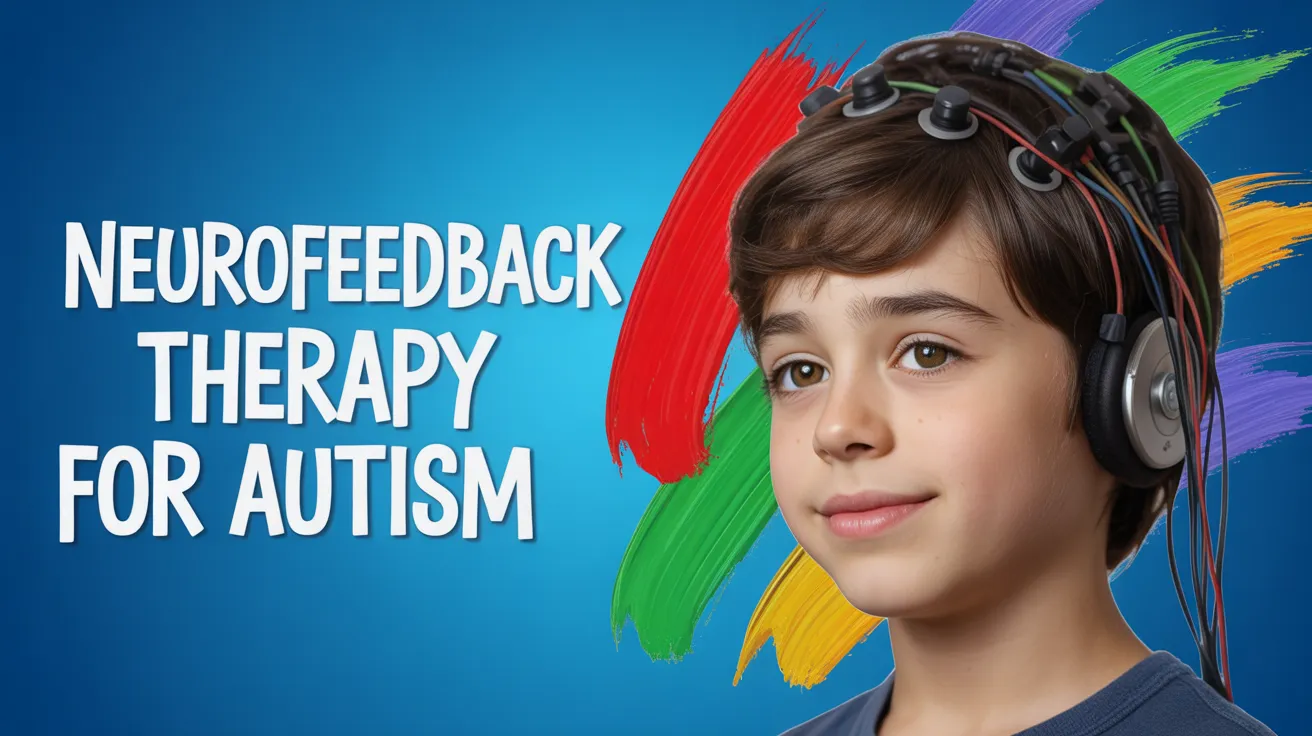
Sessions: Usually involve sitting comfortably as sensors track brainwave patterns. These patterns are then displayed visually or sonically to guide adjustments towards optimal functioning.
Research: Ongoing studies continue to delve deeper into its efficacy. While results vary, testimonials from numerous families suggest positive changes in behavior and attention span.
Neurofeedback involves guiding the brain through ongoing sessions, helping autistic children enhance their communication skills and manage emotions better. And while this therapy isn't a magic bullet, when combined with a supportive lifestyle—like a balanced diet and adequate sleep—it holds potential as part of a comprehensive strategy to aid autistic children on their journey through life.
As parents navigating the labyrinthine landscape of autism support, it's encouraging to know there's more than one path forward. Neurofeedback offers hope—a glimmer of light on those stormy parenting days when you might otherwise feel adrift at sea.
Understanding Neurofeedback Therapy
Neurofeedback is a non-invasive therapy that uses real-time monitoring of brainwave patterns to promote self-regulation. It’s often referred to as EEG biofeedback or brain training for autism. This technique involves placing sensors on the scalp to record brain activity and then providing feedback—think of it like giving your brain a gentle nudge towards its optimal rhythm. This feedback can come in the form of visual or auditory signals that help guide the brain into healthier patterns.
How Does It Work?
Real-Time Feedback: During a session, children engage in activities such as watching a movie or playing a video game. These activities are adjusted in response to their brainwaves.
Positive Reinforcement: When desired brainwave patterns are detected, the activity continues smoothly, rewarding the child’s brain for operating within ideal parameters.
Gradual Training: Over time and through repeated sessions, this process helps reinforce healthier brainwave patterns.
The fascinating part about neurofeedback is its ability to harness neuroplasticity—the brain's capacity to reorganize itself by forming new neural connections. With neurofeedback, autistic children could see improvements in focus, behaviour regulation, and possibly even social skills. However, it's essential to understand that neurofeedback is not a miracle cure but rather a supportive tool in your autism toolkit.
This technique is backed by research suggesting its potential benefits for those with autism spectrum disorder (ASD). According to studies from the National Center for Biotechnology Information, neurofeedback has shown promise in enhancing attention and reducing behavioral issues associated with ADHD and autism.
If you're intrigued by how lifestyle choices can impact autism symptoms further, you might want to explore our thoughts on dietary interventions. After all, every little step we take towards understanding the complex beauty of our children's brains brings us closer together.
The Connection Between Neurofeedback and Autism
As a parent of an autistic child, you've likely explored various avenues to support your child's unique needs. Enter neurofeedback therapy, a non-invasive approach that is increasingly gaining attention for its potential benefits in managing autism symptoms. But what exactly is the connection between neurofeedback and autism?
At its core, neurofeedback is a type of brain training for autism. It involves using real-time displays of brain activity—typically through EEG (electroencephalogram)—to teach self-regulation of brain function. Think of it as a personal trainer for the brain, helping it perform at its best.
How Does Neurofeedback Work?
Data Collection: The process begins by placing sensors on the scalp to monitor brainwave patterns. No, these sensors won't turn your child into a superhero with super senses—though that would be pretty cool!
Feedback Loop: The collected data is analyzed in real time and presented back via visual or auditory signals. This feedback loop helps individuals recognize and modify their own brainwave states.
Training the Brain: Through repetition over multiple sessions, the brain 'learns' to maintain preferred states more efficiently.
The primary goal here is to enhance neuroplasticity in autistic individuals, essentially helping their brains adapt and rewire themselves more effectively.
The Science Behind Neurofeedback's Impact on Autism
The magic of neurofeedback lies in its ability to target abnormal brainwave patterns often associated with autism spectrum disorder (ASD). Research has shown that specific patterns like excessive theta waves or deficient beta waves can correlate with symptoms such as inattentiveness or hyperactivity (source). By optimizing these brainwaves, neurofeedback therapy aims to improve cognitive functions and social skills—two core areas where individuals with ASD often seek improvement.
An exciting aspect of this approach is its personalization; each session is tailored based on individual needs and responses. This customizability allows neurofeedback to address a wide range of challenges faced by children on the spectrum.
Imagine your child's mind as a musical orchestra striving for harmony. Neurofeedback acts like an insightful conductor guiding each instrument (or brainwave) to play beautifully together—a symphony of balance and composure that could lead to meaningful improvements over time.
A Growing Body of Evidence
The buzz around neurotherapy isn't just hype; it's backed by promising research. Studies have demonstrated significant reductions in ADHD behaviors—a condition often co-occurring with autism—with sustained benefits over long periods (source). While more focused research on autism itself continues, many families report tangible improvements ranging from better focus to enhanced communication skills through anecdotal evidence.
This brings us full circle: exploring alternative therapies like neurofeedback may not only reduce some symptoms but also enrich your child's overall quality of life significantly—one EEG session at a time!
Benefits of Neurofeedback for Autistic Children
Imagine if you could help your child with autism tune their brain like a maestro fine-tuning a musical instrument. That's basically what neurofeedback therapy tries to accomplish. This innovative approach has shown promise in addressing some core challenges faced by children with autism, offering a glimmer of hope for many families.
Enhanced Focus and Attention
For children on the autism spectrum, maintaining focus can be like holding onto a slippery bar of soap—challenging at best! Neurofeedback, often referred to as EEG biofeedback, helps improve attention spans by training the brain to produce more efficient patterns. It's akin to giving your child's brain a gentle nudge towards better concentration.
Increased Concentration: Studies indicate that neurofeedback can lead to an improvement in attention span and task performance in autistic children.
Reduced Distractions: By regulating brainwave activity, neurofeedback may minimise the hyperactivity often observed in children with ADHD and autism.
Improved Social Skills
The social world can feel like an intricate tapestry that's difficult to navigate for autistic individuals. However, neurofeedback therapy has been noted for its potential impact on enhancing social interactions. By promoting better self-regulation, it encourages children to engage more effectively with others.
Better Interaction: Research suggests that neurofeedback can assist in improving verbal communication and social responsiveness.
Reduction in Anxiety: A calmer mind can lead to less anxiety in social settings, making these interactions less daunting for your child.
Cognitive Flexibility
Cognitive flexibility is key in adapting to new situations or changing routines—a skill many autistic children find challenging. Through consistent neurofeedback sessions, the ability to shift thought processes and adapt behavior may get a significant boost.
Aid in Routine Changes: Helps ease transitions from one activity or setting to another, reducing meltdown incidents.
Puzzle Solving Fun: As cognitive flexibility increases, problem-solving skills also see improvement—think of it as leveling up your child's mental jigsaw-solving capabilities!
This non-invasive therapy works like a personal trainer for your child's brain, guiding them towards optimal functioning. While it's not a silver bullet (and let's be honest, what is?), neurofeedback offers an exciting avenue worth exploring as part of a comprehensive support plan for your child’s unique needs.
The Science Behind Neurofeedback: What Research Says
When it comes to exploring neurofeedback therapy for autism, understanding the science behind it is crucial. Think of neurofeedback as a kind of brain training for autism – like sending your brain to the gym! The concept is driven by a simple yet fascinating principle: our brains can be trained to improve their function through feedback mechanisms.
How Does Neurofeedback Work?
Neurofeedback, or EEG biofeedback for autism, involves measuring brainwave activities using an electroencephalogram (EEG) and providing real-time feedback to promote self-regulation. By reinforcing desired brainwave patterns, this non-invasive therapy for autism aims to enhance neural plasticity – the brain's ability to reorganize itself by forming new neural connections. This is particularly significant given that neuroplasticity in autistic individuals is often an area of interest for researchers and parents alike.
What Does Research Say?
A Growing Body of Evidence: Studies have shown promising results in using neurofeedback as a supportive treatment for children with autism. A 2020 systematic review published in the journal Frontiers in Human Neuroscience highlighted improvements in social skills and reduction in repetitive behaviors.[1]
Cognitive and Behavioral Gains: Beyond social skills, research has also indicated enhancements in attention and executive functioning, making it an attractive cognitive training option for autism spectrum disorder (ASD).[2]
A Safe Alternative: As a digital health intervention, neurofeedback is considered safe with minimal side effects compared to pharmaceutical treatments, offering parents a gentle approach towards aiding their child's development.
The potential benefits of neurotherapy for autism extend beyond symptom management. They offer insights into how the brain works and adapts, providing hope that these treatments could pave the way for broader applications and improved quality of life for autistic individuals.
If you're curious about how lifestyle changes like dietary adjustments can complement therapies like neurofeedback, you might find our article on healing an autistic child's gut quite enlightening.
Your journey as a parent is filled with discoveries. While each child’s path is unique, exploring options like neurofeedback means you're continually rooting for their progress – one brainwave at a time.
[1] Coben R., Linden M., & Myers T.E., "Neurofeedback for Autism Spectrum Disorder: A Review of the Literature," Frontiers in Human Neuroscience, 2020.
[2] Kouijzer M.E.J., et al., "Is EEG-biofeedback an effective treatment in autism spectrum disorders? A randomized controlled trial," BMC Psychiatry, 2019.
A Peek Into a Typical Neurofeedback Session
Sessions usually feel calm and soothing, lasting about 30-45 minutes. During a neurofeedback session, your child sits comfortably in a chair in a quiet room. Tiny sensors are put on their head to track brainwave activity. There are no painful procedures involved—these sensors simply listen to the signals the brain sends out. Your child might watch a video or listen to music while this happens. The feedback provided helps guide them towards more balanced brain activity, almost like playing a relaxing game that helps their mind. This calming environment allows your child to focus and engage without stress, helping make each session an enjoyable experience.
The Setup: Electrode Placement
Think of electrodes as tiny, gentle connectors that make your child's brainwaves visible on a screen. They're applied with non-invasive gel and are completely painless. It's almost like putting on a high-tech cap at home, though I doubt it would pass as a fashion statement! These electrodes are positioned strategically on your child's scalp to read brainwave activity.
The Screen Time: But Not As You Know It
Once those electrodes are in place, your child gets to indulge in some screen time - but before you get visions of endless video games or TV shows dancing in your head, this is something different. The screen displays simple animations or games that respond to how their brain is working at that moment. For example, when the brain functions well, you may see a car move smoothly across the screen. If the brain isn't working as it should, the car might sputter and stall. This feedback shows how your brain's performance directly affects what happens on the screen.
Interactive Feedback: This real-time feedback helps train the brain to produce healthier patterns.
No-Stress Zone: Sessions usually feel calm and soothing, lasting about 30-45 minutes.
Engaging Activities: Games and animations keep things fun and stress-free.
The Benefits: More Than Just Brain Training
This isn't just about improving focus or behavior; it's about enhancing overall well-being. Parents often report improvements in social skills and reduced anxiety levels following sessions. While skepticism is natural—because hey, who knew watching animations could be so powerful?—the growing body of research vouches for its efficacy as an alternative autism therapy.
A commitment to regular sessions can yield noticeable benefits over time. And while neurofeedback might not don a superhero cape, it has earned itself numerous success stories from families across the globe embracing this innovative approach.
If you're intrigued by how neurofeedback intertwines with lifestyle changes for holistic autism support, exploring options like dietary improvements and gut health may also offer complementary benefits — check out our resources on healing your child's gut.
So next time you hear "neurofeedback," imagine it as an interactive dance between technology and the mind—a dance aimed at nurturing growth and development in delightful ways!
The Role of Diet and Lifestyle Choices in Enhancing Neurotherapy Outcomes
Imagine this: you're a superhero. But instead of a cape, you're armed with the power to make lifestyle changes that can dramatically boost the effectiveness of neurofeedback therapy for your child. Yes, that's right! While neurofeedback therapy is a promising approach for autism support, its success can be significantly enhanced by integrating healthy diet and lifestyle choices. A balanced diet rich in nutrients can play a crucial role. Foods high in essential fatty acids, other quality fats, vitamins and minerals are essential.
Why Diet Matters
Diet isn’t just about eating your greens or convincing your little one that broccoli is indeed a tree (and therefore super cool). It's about how food affects brain function and development. A nutrient-rich diet can promote neuroplasticity, which plays a crucial role in brain training for autism.
Essential Fatty Acids: Found in stable fish oils, fats from grass fed animals, coconut oil and some essential fatty acid supplements. These are known to support brain health. Studies suggest they can improve cognitive function and reduce hyperactivity in children with autism.
Probiotics: Gut health is closely linked with mental health. Fermented foods that are rich in probiotics can aid digestion and help heal an autistic child's gut, potentially improving behavior.
Avoiding Artificial Additives: Some children with autism are sensitive to artificial dyes and preservatives, which may exacerbate symptoms. Eliminating these from the diet could lead to better outcomes both behaviorally and cognitively.
Lifestyle Changes That Complement Neurotherapy
You might not have thought about this, but simple lifestyle tweaks can make a world of difference in enhancing neurofeedback treatment for autism.
Regular Physical Activity: Engaging your child in regular exercise does wonders not just for physical health but (surprise!) mental wellness too. Exercise increases blood flow to the brain and releases endorphins, which can help regulate mood and behavior.
Consistent Sleep Routines: Quality sleep is paramount for effective cognitive training. Establishing a bedtime routine helps regulate sleep cycles, supporting better focus during neurofeedback sessions.
Mindfulness Practices: Introducing simple mindfulness techniques such as deep breathing or yoga can soothe anxiety and improve attention span—qualities that enhance neurotherapy outcomes.
If you're curious about diving deeper into how these dietary and lifestyle modifications interplay with genetic or environmental factors pertaining to autism, our detailed exploration on whether autism is genetic or environmental might offer some valuable insights.
The path to supporting your child's journey through neurofeedback therapy doesn’t have to be walked alone. By embracing these dietary and lifestyle changes, you're not only empowering your child but also reinforcing their superhero journey towards improved wellbeing!
Conclusion
In the ever-evolving landscape of autism support, neurofeedback therapy emerges as a promising, non-invasive approach that aligns perfectly with the natural ethos many parents seek. By focusing on enhancing neuroplasticity through brainwave regulation, neurofeedback offers hope for improvement in social skills and behavioral functions for children on the autism spectrum.
The benefits of neurofeedback and autism are gradually being recognised, backed by increasing research and successful case studies. For instance, several studies suggest that neurofeedback can lead to significant improvements in communication and reduced symptoms associated with autism spectrum disorder (ASD). While more research is certainly needed to fully understand its potential, initial findings are encouraging.
Non-Invasive Nature: Unlike other treatments, neurofeedback is non-invasive and does not involve medication, making it a gentle yet effective option for many families.
Individualized Sessions: Neurofeedback sessions can be tailored to each child's unique brain pattern, providing a personalised approach to therapy.
Sustainable Benefits: The skills learned through neurofeedback training often lead to lasting improvements in cognitive function and behavior.
If you're exploring alternative therapies for your child with autism, consider integrating neurofeedback into their treatment plan. Remember, like any therapeutic intervention, consistency is key. Regular sessions can pave the way for remarkable progress in your child's developmental journey.
If you’re curious about how diet and lifestyle choices can complement treatments like neurofeedback, you might want to explore resources on healing an autistic child’s gut here.
Ultimately, each child's journey is unique. It's important to remain patient and hopeful as you navigate this path alongside your little one. After all, every small step forward is worth celebrating when it comes to enhancing their quality of life.
So why not give neurofeedback a try? Who knows—it might just be the game-changer you've been searching for!