

The Benefits of C15 Fatty Acid.
C15:0 (Pentadecanoic acid) is a newly discovered essential fatty acid identified in the research of US Navy dolphins. The research headed by Stephanie Venn-Watson was looking at why certain dolfins had fewer age-related health issues. She found that those dolfins with higher levels of this odd chain fatty acid had fewer age-related diseases.
C15 offers broad health benefits, such as lowering the risk of heart and blood pressure diseases (Chen et al., 2025; Jenkins et al., 2015). C15 supports the repair of mitochondrial function (Venn-Watson et al., 2020), and the activation of longevity pathways (AMPK/mTOR) (Venn-Watson & Schork, 2023). It also works well to reduce inflammation, lessens tissue scarring and anemia, and has been found to be more effective and safer for cells compared to regular omega-3 fatty acids.
More Activity than Omega-3: Studies found that C15:0 showed more important activities in human cell disease systems than EPA (omega-3) (Venn-Watson & Butterworth, 2022).
Therapeutic Parallels: The activities of C15:0 have similar affects as common treatments for mood disorders, infections, and cancer because of its anti-inflammatory and growth-reducing effects (Venn-Watson & Butterworth, 2022).
C15 also has important metabolic benefits, including improved glucose metabolism.
Most vegan foods contain only tiny amounts of C15:0, often well below ideal levels. Algae, seaweed, and fermented foods like kimchi offer trace amounts, but these sources vary and don’t reliably meet needs. Since plant-based diets often lack a consistent supply of C15:0, it's important to have a practical plan to meet your needs. Consider how a concentrated vegan option could fit into your routine and what steps you’d take to guarantee consistent intake throughout the week.
Key Takeaways
Plant sources provide trace amounts of C15:0; practical vegan intake relies on supplements for meaningful levels.
Concentrated algae-derived oils or extracts offer higher, more reliable vegan C15:0 options.
Kombu and other seaweeds contribute small, variable C15:0 amounts, not sufficient alone.
Fermented foods may include minor C15:0 via microbes, but levels are inconsistent.
Fatty15 is a vegan supplement targeting 100–300 mg daily to meet C15:0 needs.
Why Plant-Based Sources Fall Short for C15:0
Plant fats like chia seeds, seaweed, and certain algae provide only trace amounts, so meeting daily needs from plants alone isn’t practical. Achieving significant levels would require the consumption of substantial, possibly excessive amounts. Coconut and palm oils also contain limited C15:0, adding little impact to your total. Vegans and plant-based eaters often need supplements like Fatty15 to reach optimal nutrient levels due to low concentrations in their diets. This matters for nutrient absorption, since fatty acids influence how your body uses fats you eat. In practical terms, rely on a balanced approach: favor diverse plant sources for overall nutrients, and consider targeted supplementation when your goal is specific fatty acids. For more on natural C15 sources, see How Can I Get C15 Naturally.
Trace C15:0 in Algae, Seaweed, and Fermented Foods
Algae and seaweed can contribute small amounts of C15:0, but the levels vary a lot by species and how they’re grown and processed. You’ll find trace C15:0 in certain algae and seaweed, like kombu, yet amounts are generally low and not consistent. The amount depends on species, cultivation methods, and processing steps, making standardized intake difficult. For a general overview of C15 fatty acids in plants, see C15 Fatty Acid.
Fermentation can also introduce small C15:0 amounts, since microbial activity during fermentation shifts fatty acid profiles in some kimchi varieties. Plant-based sources can add to your C15:0 intake, but they’re typically far lower than animal products.
If you’re aiming for a reliable, higher-amount source, vegan supplementation with algae-derived oils or extracts offers a more concentrated option for those who serve others with careful nutrition in mind. Consider pairing algae foods with practical, varied meals to balance intake. See Fatty15 Foods And Supplements for a structured supplement option.
This is where awareness of Algae variability and Fermentation impact helps you tailor plans that support your community’s needs.
The Challenge of Meeting C15:0 Needs With Vegan Diets
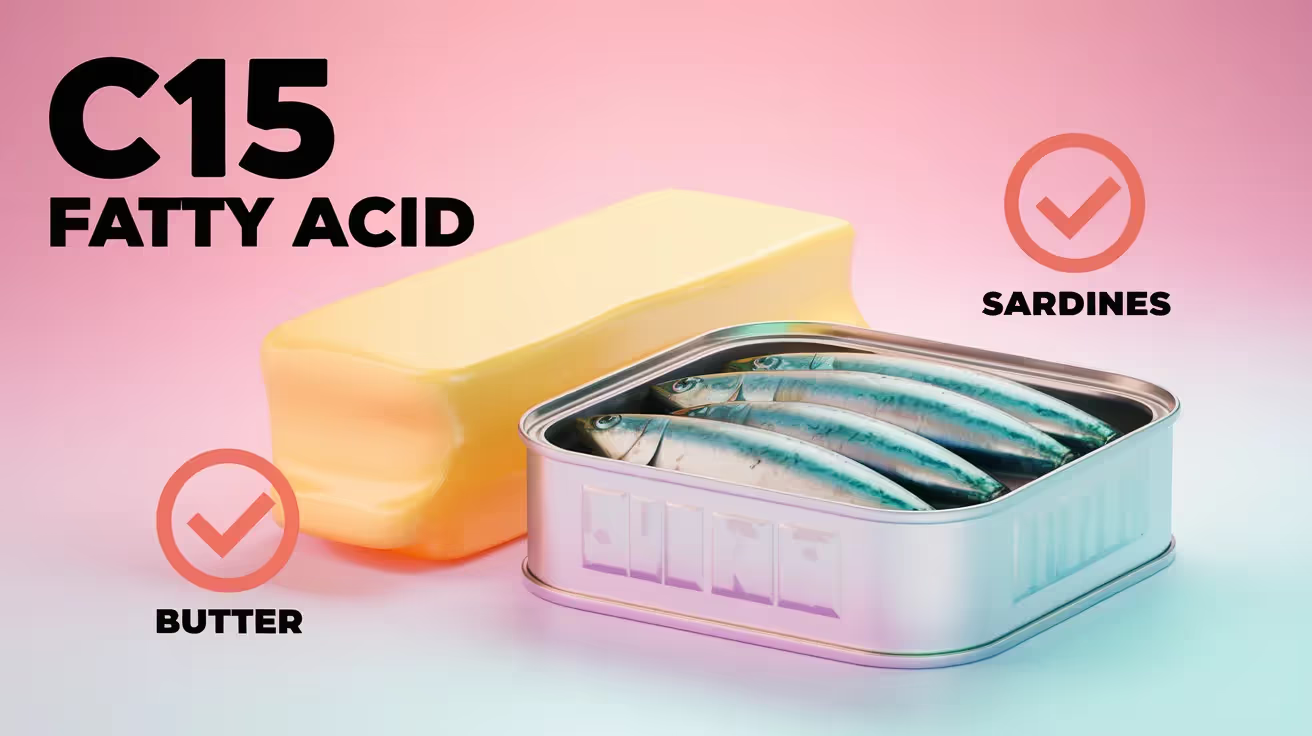
Meeting C15:0 needs on a vegan diet is challenging because this fatty acid is mainly found in dairy, ruminant meats, and some fish. To achieve the desired levels, it’s essential to engage in thoughtful planning rather than relying on mere guesswork, as practical resources are frequently overlooked. Monitoring C15:0 levels and incorporating evidence-based supplements such as Fatty15 can significantly support cellular health while eliminating the need for animal-derived foods.
The Role of Fatty15: A Practical Vegan Solution
Fatty15 offers a practical solution for vegans by delivering a concentrated, bioavailable source of C15:0 without any animal products. You’ll see the benefit when you replace guesswork with a clear option that fits plant-based living.
This supplement acts as a reliable way to meet daily C15:0 needs, since natural plant foods contain only trace amounts. By choosing Fatty15, you support cellular health, mitochondrial function, and metabolic balance without compromising ethics or the environment. Algae and seaweed, while eco-friendly, provide only small quantities, so a targeted supplement can fill the gap. The approach is simple: add Fatty15 to your routine as part of a broader, plant-based strategy for fatty acids.
Consider alternative supplement options and assess how they complement your meals. This practical choice translates into consistent intake, easier planning, and a concrete step toward maintaining healthy C15:0 levels with plant-based fatty acids. Cellular health and the role of C15:0 in supporting membrane integrity are supported by supplementation, making Fatty15 a targeted approach for vegan wellness.
How to Use Fatty15 to Maintain Optimal C15:0 Levels
To keep C15:0 levels steady, take Fatty15 daily with meals so the fat is absorbed efficiently. You’ll aim for about 100–300 mg of C15:0 each day, a target that supports cell membranes and energy production.
Since plant sources are limited, Fatty15 offers a reliable vegan option and consistent results. For best results, think in terms of supplement timing: take Fatty15 with the main meal to align with your body’s natural digestion and circulation, which improves uptake.
This approach also supports absorption enhancement, helping your cells maintain integrity and mitochondrial function. Monitor your response by checking blood levels of C15:0 periodically to stay above the 0.2% threshold and adjust if needed.
Keep a simple routine—consistency beats intensity. Pair Fatty15 with a balanced vegan diet, stay hydrated, and record how you feel.
Practical takeaway: regular, meal-timed supplementation fosters steady levels and clearer health signals. In addition, Fatty15 is a patented formulation designed for optimal absorption and efficacy.
Conclusion
Relying solely on plant-based foods to meet your C15:0 requirements is insufficient, and this is crucial for both membrane function and metabolism. While algae or kimchi may provide small portions, you won't benefit from a consistent supply. A highly effective solution is Fatty15, which consistently delivers reliable concentrations of C15:0. In fact, consider this: most vegans don’t reach target intake from diet alone, but a daily supplement can close the gap. Use Fatty15 consistently, and pair with whole foods for balanced, real-world results.
What is C15, and why does it matter for vegan diets?
What is C15:0? C15:0 refers to the fatty acid pentadecanoic acid, a type of odd-chain saturated fatty acid with 15 carbon atoms. In nutrition science, it’s commonly written as C15:0.
Why it matters for vegans: C15:0 is well known as a dairy fat biomarker—people who consume dairy and ruminant fats tend to have higher levels in blood or tissues. Vegans, who avoid dairy and other animal fats, typically have very low or undetectable levels of C15:0 unless there is cross-contamination or unexpected sources. In research, C15:0 is often used to estimate dairy fat intake.
Bottom line: For most vegans, C15:0 is not an intentional dietary component. If you’re curious about your own levels, a specialized lipid analysis can measure it, but it’s not something you need to actively seek out in vegan foods.
Are there vegan foods that naturally contain C15:0 (pentadecanoic acid)?
Do vegan foods contain C15:0? In practice, vegan foods do not contain meaningful amounts of C15:0. Odd-chain fatty acids like C15:0 are predominantly found in dairy fat and other animal-derived fats produced by ruminant animals.
There may be trace or incidental amounts in highly processed foods due to fermentation by bacteria or cross-contamination, but these would be negligible and not a reliable source of C15:0 for any dietary purpose.
What to look for:
- Labels or certifications that confirm the product is vegan (to avoid dairy cross-contact).
- Ingredient lists that clearly omit dairy or animal fats.
- Notes about production facilities to avoid cross-contamination if you’re avoiding dairy for labelling or health reasons.
If I follow a vegan diet, can I obtain C15:0 from plant-based sources in any meaningful amount, or is it mainly from dairy? How would I assess this in practice?
Meaningful intake from plants: There is no reliable plant-based source of C15:0 in amounts that would contribute meaningfully to daily intake. Most C15:0 in human studies comes from dairy fat and some animal fats, not from plants.
Practical guidance:
- Rely on vegan foods and certifications to minimize dairy exposure.
- If you’re investigating C15:0 for research or nutrition tracking, consider biomarker testing conducted by specialized labs (e.g., fatty acid profiling via GC-FAME).
- Be aware that even vegan products can have trace non-vegan contaminants if produced on shared equipment; check with manufacturers or look for 100% vegan certifications.
- Don’t rely on plant foods to raise C15:0 levels; for any study or clinical purpose, plan alternatives or clear rationale if C15:0 is required.
How is C15:0 measured in foods or biological samples, and what does that mean for vegan diets?
Measurement overview: C15:0 is typically measured using lipid analysis techniques such as gas chromatography (GC) after converting fats to fatty acid methyl esters (FAME). This yields the relative amount of C15:0 as a fraction of total fatty acids.
What this means for vegans:
- In vegan diets, C15:0 levels in blood or tissues are usually very low or undetectable, reflecting little to no dairy fat intake.
- Commercial labs offering fatty acid profiling can report C15:0 alongside other fatty acids, which helps researchers or individuals verify dairy fat exposure.
- Interpreting results requires context: recent meals, labeling accuracy, and laboratory detection limits all influence the reading.
Note: If you’re not a researcher, practical use is limited to understanding dairy exposure rather than optimizing a vegan diet for C15:0.
If a researcher needs vegan-friendly C15:0 for a study or product, what options exist and what should be considered (purity, safety, regulatory)?
Options to obtain C15:0:
- Synthetic or chemical-grade C15:0 from reputable suppliers. Choose high-purity (>99%) and verify that the product is suitable for the intended use (research-use only vs. food-grade).
- Stable isotope–labeled C15:0 (e.g., ^13C-labeled) for metabolic tracing in research studies; allows tracking without confounding from natural background levels.
- No natural vegan food source—use these materials only when justified and approved by project guidelines.
Considerations:
: Ensure grade matches your application (e.g., analytical, research, or food-grade). Check certificates of analysis (COA). - Safety and regulatory: If the material will be ingested or used in foods, verify compliance with local or international food additive regulations and GRAS status where applicable; consult regulatory experts.
- Storage and handling: Store in a dry, cool place, away from light; follow supplier guidelines to minimize oxidation.
- Ethics and labeling: If used in vegan products, clearly document that C15:0 sources are synthetic or otherwise non-animal derived to maintain vegan integrity.
In short, for vegan-friendly research or product development, synthetic or labeled C15:0 from reputable suppliers is the practical route, with careful attention to purity, regulatory compliance, and clear labeling.