
Searching for avenues to bolster your child's well-being after an autism diagnosis? This guide delves into how healing autism naturally, via strategic dietary shifts, lifestyle recalibrations, and pinpointed supplements, could revolutionize your child's life. Discover practical strategies and insights aimed at fostering a brighter, healthier future for your child by naturally addressing autism.
Within the autism community, there are differing views on the concept of "healing" autism. A common perspective is that autism is not something to be cured, but rather an intrinsic part of an individual's identity. They have differences in the wiring in the brain. This may be true in a number of people with autism, however autism is a spectrum. There certainly is a health aspect to autism. People with autism have much higher rates of systemic and brain inflammation, along with measureable lower glutathione levels, for example.
Of the many wonderful things about children with autism, their uncommon skills such as telepathy and other spiritual gifts intrigue me. It seems that children with what's considered lower functioning autism often haven't been subjected to the same conditioning by society, and naturally allow these gifts to flourish. When helping children with autism, it's important to consider these gifts, and enable them to flourish.
Tradtional autism therapy can work against these skills, such as training kids to be more 'normal'. It's also important to consider this when implementing the strategies outlined in this post, and other posts on this website so that as children physically improve, those wonderful skills our kids have flourish as well. We should encourage the natural skills our children with autism have.
Healing autism is about helping our kids be the best version of themselves. Not only do they continue to be 'who they are', they develop and grow into who they are meant to be, for the betterment of the earth we all share.
Can We Really Talk About Healing Autism Naturally?
Discussions about natural healing for autism often raise skepticism. Yet, a swelling tide of parents now probe holistic strategies for their children. Autism presents a complex neurodevelopmental puzzle. Still, zeroing in on general health enhancements might just lighten the load of related symptoms.
Think of healing autism naturally as boosting the body's innate ability to heal and function at its best, knocking down inflammation, and enhancing brain function. We might frame healing autism naturally as simply amplifying the wellness quotient for people with autism, easing their daily struggles.
This approach emphasizes supporting the body's natural healing processes to improve overall well-being and reduce challenges faced by individuals with autism. It encourages personalized interventions that harness innate capabilities to foster development and enhance quality of life.
The Core Principles of Healing Autism Naturally
"Can autism be healed naturally?" Not a quest for a cure. Instead, it's about architecting an environment where your child doesn't just survive, but flourishes. This means tackling the root health gremlins that amplify autism’s signature symptoms. Here's the blueprint for healing autism naturally:
Reduce Inflammation: Unchecked inflammation? It can wreak havoc on brainpower.
Improve Gut Health: A happy gut is the bedrock of nutrient absorption, the keystone of overall health.
Support Detoxification: Supercharge the body’s natural cleanup crew; lighten the toxin burden.
Optimize Mitochondrial Function: Vibrant mitochondria? Absolutely essential for cell energy factories.
Focusing on these areas creates the foundation for addressing autism through natural methods, supporting your child's progress. By tailoring interventions to your child's unique strengths and challenges, you can foster meaningful development and enhance their overall well-being (Frye, 2022). For a broader overview of autism approaches, see Autism Treatments.
The Role of Diet in Healing Autism Naturally
Nutrition extends beyond mere caloric intake. it is fundamental to healling autism naturally. Countless children with autism grapple with unique sensitivities or downright intolerances to specific foods. Pinpointing and sidelining these dietary inflammation triggers could spark a seismic shift in health and behavior. Chart these dietary tactics as you embark on healing autism naturally:
Gluten-Free and Casein-Free Diet: Many parents sing the praises of this swap, reporting calmer behaviors and happier digestive systems after yanking gluten (wheat, barley, rye) and casein (dairy) from the menu. This was a key to our son's improvement early on.
Elimination Diet: The strategy? Axing prevalent allergens and inflammation instigators, then carefully reintroducing them, one by one, to unmask the culprits.
Focus on Whole Foods: Steer toward nutrient-dense champions: whole fruits bursting with goodness (without over doing it), vibrant veggies, protein from grass-fed animals, and healthy fats.
Limit Processed Foods, Sugar, and Artificial Additives: These are trouble: inflammation amplifiers and gut health foes.
These dietary pivots could mark a powerful stride toward healing autism naturally, rewriting your child's health narrative. Implementing these dietary changes may significantly support your child's overall well-being and foster a more balanced, healthier development.
The Power of Targeted Supplementation for Healing Autism Naturally
Diet lays the groundwork, sure, but smart supplementation? That's extra muscle in the fight for healing autism naturally. Certain nutrients and compounds can right specific wrongs and address the deficiencies and imbalances so often spotted in children on the spectrum. Explore these supplement allies as you pursue healing autism naturally:
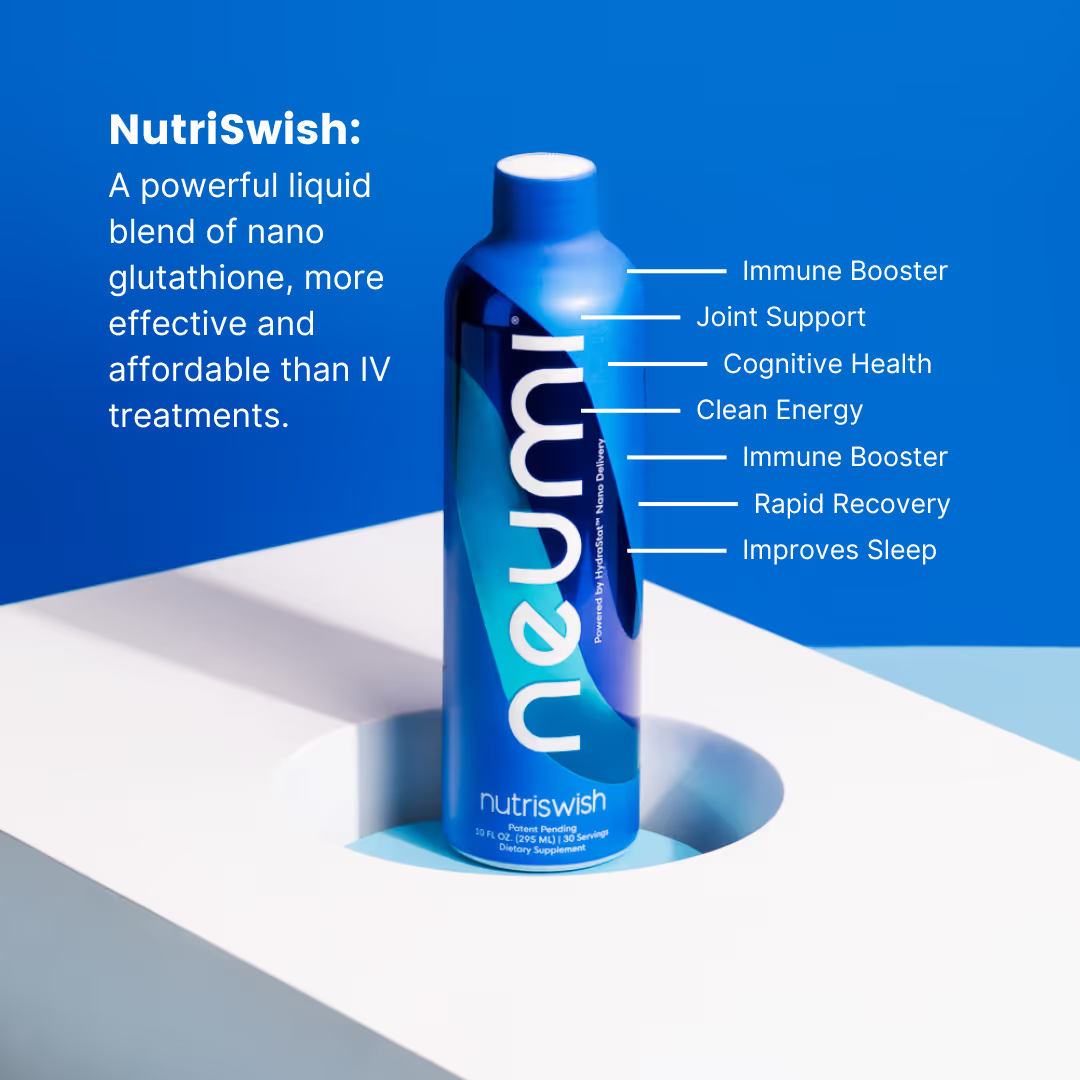
Glutathione: A detoxification superhero, an oxidative stress vanquisher. Many children with autism show the signs of glutathione deficiency. Glutathione is so important, we produce it ourselves, however many children with autism are low in glutathione compared to the general population.
Omega-3 Fatty Acids: Brain fuel. Inflammation tamers and raw materials for health cell membranes.
Vitamin D: Imperative for immune strength and bone integrity.
Magnesium: Nerve signal conductor, muscle soother, sleep promoter.
Probiotics: To help rebuilld a healthy microbiome ecosystem.
Prebiotics: The fibers that feed the good bacteria in the gut. They help create a healthy environment for probiotics to thrive, which can lead to better gut health and reduced inflammation.
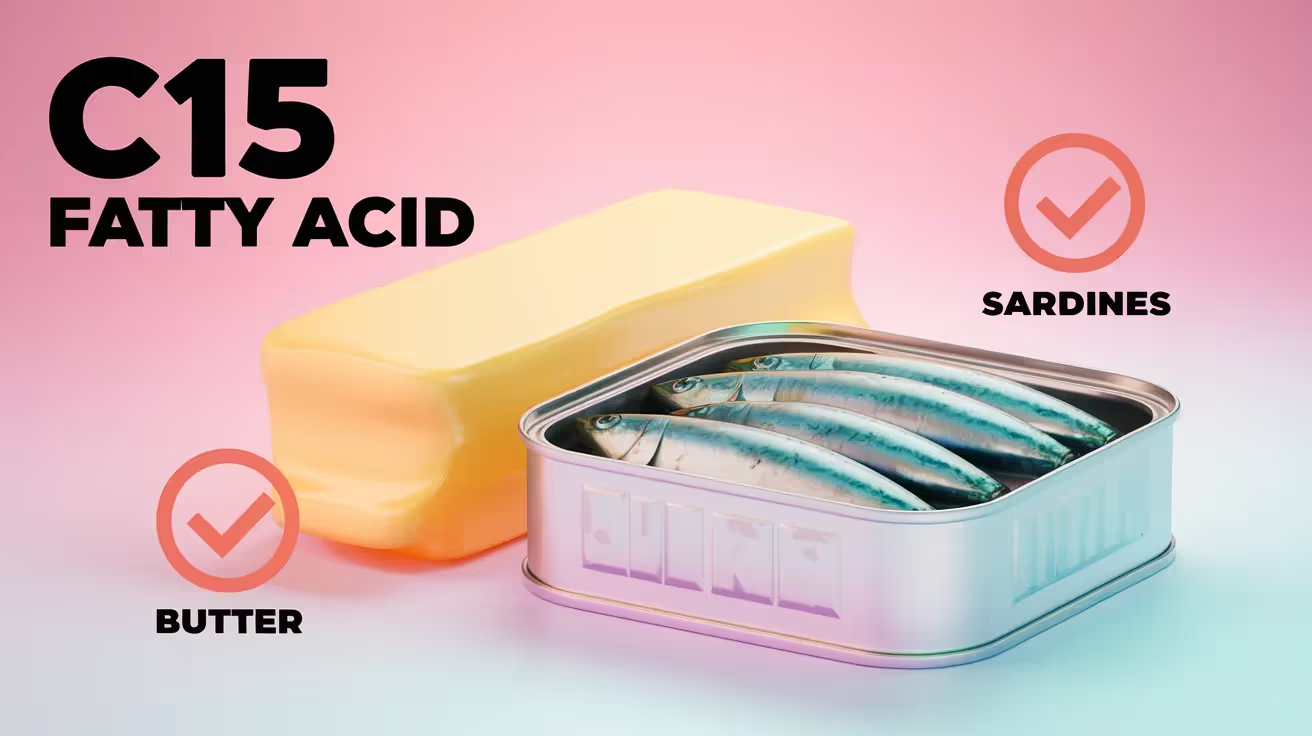
C15:0 (Fatty15): C15 is a newly discovered essential fatty acid that outperforms omega 3's in a number of areas. It enhances cellular and mitochondrial health, countering Cellular Fragility.
An integrative medicine healthcare expert should be used before launching any new supplement strategy. Safety first, tailoring second, on the path toward healing autism naturally. Supplementation? When thoughtfully applied, it can powerfully amplify the effects of healing autism naturally. Collaborating with a healthcare professional ensures that the supplements chosen are appropriate for your child's unique needs and health profile.
Glutathione: A Key Player in Healing Autism Naturally
Glutathione: master antioxidant, supreme detoxifier, indispensable ally in healing autism naturally. It guards cells from oxidative stress damage, and powers the body's innate cleansing pathways. A wealth of studies spotlight a link: low glutathione often shadows severe autism symptoms. Bolstering glutathione, then? It's a potent tactic in the arsenal for reversing autism symptoms.
Understanding Glutathione Deficiency
A significant number of people with autism experience lower levels of glutathione. This leads to a sharp increase in oxidative stress and impaired ability to detoxify the body. Addressing this glutathione shortage is essential for naturally improving autism symptoms.
Implementing strategies to boost glutathione levels may help reduce oxidative stress and support detoxification, potentially leading to improvements in autism symptoms.
How to Boost Glutathione Levels Naturally
Several strategies can naturally elevate glutathione stores, boosting the momentum of healing autism naturally:
Dietary Approaches: Pile on the sulfur-rich bounty: garlic’s pungent punch, onions’ subtle sharpness, broccoli’s earthy depth, and Brussels sprouts' quiet complexity.
Supplementation: Supplementation is the best way to increase glutathione levels. Consider glutathione precursors, such as N-acetylcysteine (NAC) or certain glutathione supplements. Most glutathione supplements are ineffective in raising glutathione levels; however there are some that are shown to be very effective. Effective glutathione supplements must avoid digestion. This is achieved through skin or mouth absorption. These are detailed in the dedicated post covering the best glutathione supplements.
Lifestyle Factors: Evict toxins, manage stress, embrace regular movement.
Incorporating these lifestyle modifications alongside targeted nutritional strategies can enhance overall well-being and potentially improve ASD symptoms (Fadl et al., 2021).
Healthy fats have a role in Healing Autism
Healthy fats are major building blocks of cellular and mitochondrial membranes. Incorporating sources of healthy fats into your diet can support cellular integrity and enhance mitochondrial function for overall well-being. Including sources of healthy fats in your diet can also promote better hormone production and reduce inflammation, contributing to improved immune function and long-term health. For evidence-based guidance on essential fatty acids in autism, see Essential Fatty Acids Autism.
Choosing foods rich in omega-3 fatty acids like fish, flaxseeds, and walnuts can be especially beneficial for maintaining optimal health and supporting your body's natural defenses. Incorporating these foods into your diet may also help reduce inflammation and improve overall cardiovascular function.
Coconut and MCT oils are often used in dietary supplements for their potential health benefits and quick energy sources. Research suggests that incorporating coconut and MCT oils into diets may support metabolic health, enhance cognitive function, and provide a rapid energy boost, making them popular choices among health-conscious consumers (Saimaiti et al., 2022). Their inclusion in autism dietary strategies is being investigated for potential improvements in behavioral and cognitive outcomes (Pérez-Cabral et al., 2024).
Saturated (stable) fats are typically found in animal products and are another important building block for the brain and membranes. Consuming these fats in moderation can support cognitive function and overall cell health. Although unstable seed oils have become popular, it's essential to prioritize stable fats from natural sources to maintain optimal brain health and avoid potential oxidative damage.
C15 fatty acid and Healing Autism Naturally
Emerging science underscores the vital role of C15:0 (pentadecanoic acid), a must-have fatty acid. C15 is a newly discovered essential fatty acid that has many benefits. These arise through the effects on overall cellular and mitchondiral health. This results in each cell more effectively producing energy, and healing thissue throught the body. You may take a deep dive into the benefits of C15 here. For practical steps, see How Can I Get C15 Naturally.
Exploring the potential of C15 could lead to innovative approaches in enhancing cellular resilience and metabolic efficiency across various health conditions. Further research into C15's mechanisms may unlock new therapeutic strategies for improving overall cellular function and combating metabolic disorders. Investigating C15's role in cellular processes might pave the way for novel treatments targeting metabolic health and resilience.
C15 may be increased through diet and supplementation. For more details in how to increase C15 fatty acid, you may read our post on how to increase C15 fatty acid.
The Gut-Brain Connection and Healing Autism Naturally
The gut-brain axis: a focal point when healing autism naturally. The gut microbiome influences neurotransmitters, immunity, and inflammation. Too many children with autism wrestle with gut turmoil: constipation, diarrhea, pain. Soothing these troubles can profoundly boost overall well-being, supercharging healing autism naturally.
Addressing gut health through tailored interventions may unlock significant improvements in behavioral and developmental outcomes for children with autism (Frye, 2022). For more on gut health, see Can Improving Gut Health Heal Autism.
Strategies for Improving Gut Health
Blueprint for gut revitalization, facilitating healing autism naturally:
Probiotics: Deploy a high-caliber probiotic to rebalance the microbiome. Probiotics for autism are important, but it's not the whole picture, and may not be the most cost effective way to start improving gut health. Find out more about probiotics and autism here.
Prebiotics: Nourish the gut's beneficial flora with prebiotic-rich feasts: garlic, onions, asparagus. Prebiotic powders for making healthy drinks is a great cost effective way to improve gut health.
Fiber-Rich Diet: Push fiber intake via fruits, veggies, whole grains; champion healthy bowel function.
Address Leaky Gut: Enlist reinforcements like L-glutamine and zinc; help mend the gut lining.
To take a deeper dive into strategies for improving gut health you may read our post covering developing a healthy microbiome.
Lifestyle Changes for Healing Autism Naturally
Beyond diet and supplements, lifestyle recalibrations can significantly propel healing autism naturally. These adjustments can curtail stress, deepen sleep, and cultivate all-around well-being. Autism is
Creating a Sensory-Friendly Environment
Many children with autism? Super-sensitive to sensory input. Architect a serene, predictable, sensory-soothing space. Less anxiety, sharper focus. This small pivot can be an essential part of healing autism naturally.
The Importance of Sleep
Deep sleep? Indispensable for brain health, for total well-being. Decree a consistent sleep schedule, create a dark and hushed sleep sanctuary, and aggressively tackle any lurking sleep disruptors. Sleep is undeniably crucial when healing autism naturally.
Physical Activity and Exercise
Routine activity? Mood lifter, anxiety reducer, cognitive enhancer. Urge your child toward joyful movement: swimming, strolling, outdoor play. Exercise complements healing autism naturally.
Stress Management Techniques
Arm your child with stress-defusing skills: deep breaths, mindfulness meditations, progressive muscle release. These techniques? Anxiety tamers and emotion regulators. Stress management works wonders for healing autism naturally.
Future Research and Emerging Therapies for Healing Autism Naturally
The autism research frontier surges forward relentlessly, birthing fresh studies and therapies regularly. Promising domains?
Neuroplasticity and Brain Training: Neurofeedback aims to rewire brain function, refine behavioral outcomes.
Genetic and Epigenetic Interventions: Research probes how diet and environmental factors sculpt gene expression, potentially sparking personalized therapies.
Microbiome Engineering: Advances in microbiome science unlock possibilities for targeted probiotic and prebiotic interventions, championing brain health.
Emerging research highlights the potential for tailored interventions that modify gene expression and microbiome composition to optimize mental health outcomes. These personalized strategies could revolutionize ASD management by addressing individual biological factors and improving overall quality of life (Fadl et al., 2021).
Stay informed. Partner with knowledgeable healthcare allies. Together, you can chart confident decisions about your child's care and fuel healing autism naturally.
Conclusion: Embracing a Holistic Approach to Healing Autism Naturally
Healing autism naturally? It's a marathon, demanding a multifaceted approach, patience that runs deep, and unwavering devotion. By zeroing in on diet, precision supplements, lifestyle reinventions, and root cause resolutions, you architect an environment where your child can truly flourish.
Remember, healing autism naturally is about fueling your child's overall potential, clearing their path to thrive. No magic wands exist. However, the strategies presented here empower you to rewrite your child's story, championing health through healing autism naturally.
Champion essential nutrients like Fatty15. Conquer C15:0 deficits. Amplify cellular health. Propel the journey of healing autism naturally.
Embrace the transformative power of healing autism naturally. Embark on a path to a healthier, happier horizon for your child.
Frequently asked questions.
What are safe, evidence-informed natural strategies to support autistic individuals in daily life?
Foundational, practical steps you can consider:
- Sleep hygiene: Maintain a consistent bedtime routine, limit screens before bed, and create a calm sleep environment to improve mood and behavior.
- Structured routines and predictability: Visual schedules, step-by-step tasks, and clear expectations reduce anxiety and improve cooperation.
- Physical activity: Regular aerobic and play-based activities support mood, attention, and sensory regulation.
- Nutrition and GI comfort: Offer balanced meals, monitor for food sensitivities with professional guidance, and address constipation or reflux with medical input.
- Environment and sensory supports: Adjust lighting, noise, textures, and seating to reduce overwhelm and improve participation.
- Mental health and communication: Provide social supports, teach coping strategies, and use clear, concrete language.
- Professional collaboration: Work with a pediatrician, psychologist, occupational therapist, and/or dietitian to tailor plans to the individual.
Safety note: Start with one or two small changes, monitor impact, and adjust with input from professionals. Avoid drastic, untested regimes and be wary of products or programs that promise a cure.
Are dietary changes like gluten-free or casein-free diets effective for autism, and what should families know before trying them?
What the research suggests: Some families report improvements in behavior or GI symptoms with gluten-free/casein-free (GFCF) diets, but robust, consistent evidence across large populations is lacking. Benefits tend to be individual rather than universal.
What to consider before trying:
- Work with a registered dietitian or clinician to ensure nutritional adequacy (calcium, vitamin D, iodine, fiber, etc.).
- Plan a structured trial (e.g., 4–12 weeks) with clear criteria for success and a controlled reintroduction phase to identify true effects.
- Monitor for growth, energy, mood, and GI symptoms, and track changes with the help of a clinician.
- Be aware of potential nutritional gaps from removing whole food groups.
- Avoid adopting multiple restrictive diets at once to prevent confusion and malnutrition.
Bottom line: If a GFCF-style approach is considered, it should be supervised by a healthcare professional and used as part of a broader, evidence-informed plan rather than as a standalone cure.
What is the role of the gut microbiome and probiotics in autism, and can these help?
What we know: The gut-brain axis is an active area of autism research. Some studies find differing gut microbiota profiles in autistic individuals, and small trials suggest probiotics may help with certain GI symptoms. Evidence for behavioral improvements is less consistent.
Practical guidance:
- Consult a clinician before starting probiotics or other microbiome-targeted interventions, especially for children or people on medications.
- Choose products that have been studied in children with autism and use strains with evidence for GI support (not a blanket cure).
- Start with a low dose and monitor for adverse effects such as bloating or allergic reactions.
- Consider a comprehensive approach that also addresses sleep, nutrition, and stress, rather than relying on probiotics alone.
Bottom line: Probiotics may help some individuals with GI symptoms but are not a proven treatment for autism itself. Use them under medical supervision as part of an overall care plan. More about probiotics here.
How should I evaluate supplements or herbal remedies that claim to heal autism?
Step-by-step evaluation:
- Check the quality of evidence: prioritize well-designed clinical trials, meta-analyses, and guidelines from credible health organizations.
- Assess safety and interactions: review possible interactions with current medications and consider age-specific risks.
- Consult a healthcare professional before starting: get personalized advice and monitoring plans.
- Watch for red flags: claims of a guaranteed cure, dramatic results, or detox/chelation without medical supervision are warning signs.
- Clarify quality and dosing: verify manufacturer information, recommended dosages, and whether products have third-party testing.
Bottom line: Be skeptical of unproven products and prioritize safety, scientific support, and clinician guidance over marketing claims.
What are the potential risks or interactions when combining natural approaches with conventional autism therapies?
Key considerations for integration:
- Avoid delaying proven therapies (e.g., speech, occupational therapy, evidence-based behavioral therapies) while trying new natural approaches.
- Some supplements or dietary changes can interact with medications (e.g., affect seizure thresholds or liver enzymes). Always discuss with a prescribing clinician.
- Monitor for additive effects or conflicts in sensory, behavioral, or mood targets; what helps in one area may worsen another.
- Ensure comprehensive care plans are coordinated by a multidisciplinary team to prevent conflicting recommendations.
- Document reactions, progress, and any adverse events to inform ongoing decisions with clinicians.
Bottom line: Safe integration requires professional oversight, clear communication among care teams, and ongoing monitoring to protect safety and maintain progress toward goals.
How can families design a holistic, individualized plan that respects neurodiversity and ethical considerations while pursuing natural approaches?
Guiding principles for an ethical, person-centered plan:
Include their preferences, goals, and comfort in every step, adjusting language and expectations accordingly. - Use a multidisciplinary team: Coordinate with pediatricians, psychologists, speech-language pathologists, OT, dietitians, and others as needed.
- Set measurable, realistic goals: Use SMART goals (Specific, Measurable, Achievable, Relevant, Time-bound) focused on daily functioning and quality of life.
- Balance evidence with safety and ethics: Prioritize interventions with solid safety profiles and transparent, realistic outcomes.
- Respect neurodiversity: Emphasize supports that enhance autonomy, communication, and well-being rather than 'curing' identity or forcing conformity.
- Track progress and adapt: Use a simple progress log, adjust plan based on data, and allow for pauses or changes as needed.
Bottom line: A well-rounded plan centers on safety, respect for the person, evidence-informed choices, and ongoing collaboration among family, the autistic individual, and healthcare professionals.
Bibliography:
Fadl, A. A., Mujir, S. A., Sarah, & Awad, S. A., Shahad. (2021). A Review on Nutritional and Dietary Intervention for Autism Spectrum Disorder. Journal of Pharmaceutical Research International, 550–558. https://doi.org/10.9734/jpri/2021/v33i46a32898
Frye, R. E. (2022). A Personalized Multidisciplinary Approach to Evaluating and Treating Autism Spectrum Disorder. Journal of Personalized Medicine, 12(3), 464. https://doi.org/10.3390/jpm12030464
Pérez-Cabral, I. D., Bernal-Mercado, A. T., Islas-Rubio, A. R., Suárez-Jiménez, G. M., Robles-García, M. Á., Puebla-Duarte, A. L., & Del-Toro-Sánchez, C. L. (2024). Exploring Dietary Interventions in Autism Spectrum Disorder. Foods, 13(18), 3010. https://doi.org/10.3390/foods13183010
Saimaiti, A., Zhou, D.-D., Li, J., Xiong, R., Gan, R., Huang, S.-Y., Shang, A., Zhao, C.-N., Li, H., & Li, H. (2022). Dietary sources, health benefits, and risks of caffeine. Critical Reviews in Food Science and Nutrition, 63, 9648–9666. https://doi.org/10.1080/10408398.2022.2074362