
Glutathione, the master antioxidant, has been gaining interest for health-conscious people around the world. It is the most researched molecule in recent years. Glutathione was one of the first deficient nutrients identified by our functional medicine practitioner over 12 years ago after testing. However, at the time it wasn't widely used due to its poor absorbability, meaning there was not a good way to increase glutathione in the body. So have glutathione supplements improved, and which supplements are best?
Key takeaways
Glutathione may be used to support the health of children with autism. However, it isn't an autism treatment.
Glutathione supplement forms include oral capsules, liposomal forms, transdermal forms, and Hydrastat for absorption through the mucosa of the mouth.
Glutathione does not survive digestion.
Glutathione requires a form of delivery technology to be effectively taken up by cells.
Glutathione precursors may be used to increase glutathione levels.
What the Evidence Says About Glutathione and Autism
As with all supplements, nutrients, and low-cost products, full clinical trial processes for treatment approval have not taken place and are unlikely to happen. As such, we need to look at what science tells us and learn from our experiences and the experiences of others.
Why Researchers Look at Glutathione in Autism
When researchers investigate the biology behind autism spectrum disorder (ASD), glutathione keeps coming up in blood and brain studies as being important.
Glutathione is often called the body's "master antioxidant," but it does far more than simply fight off everyday cellular wear and tear. It plays a critical role in protecting cells from oxidative stress, clearing out environmental toxins, and supporting healthy mitochondrial function in ASD. This is especially true of the brain, which consumes roughly 20% of the body's energy and is vulnerable to oxidative damage.
Multiple clinical studies have found a consistent pattern in children on the autism spectrum: lower levels of active, reduced glutathione (GSH) alongside higher levels of its oxidised, "used-up" form (GSSG).
The ratio of active to oxidised glutathione (GSH/GSSG ratio) is used to help determine the health of cells. When cells have higher GSH, they can neutralise free radicals, regulate inflammation, and keep neurotransmitter pathways running smoothly. When the levels drop (low GSH and high GSSG), oxidative stress builds up, leaving neurons more susceptible to inflammation and impaired signaling. For more on how this relates to mitochondrial health in ASD, see mitochondrial dysfunction in ASD.
Researchers generally point to a few interconnected reasons why this depletion happens in many people with autism:
Impaired methylation and transsulfuration pathways: Our body builds glutathione from three amino acids, cysteine, glycine, and glutamate, using metabolic pathways that rely heavily on folate (not folic acid) and vitamin B12 (James et al., 2004; Melnyk et al., 2011). Genetic variations (such as MTHFR or CBS polymorphisms) or nutrient bottlenecks in these pathways can slow down natural glutathione production (James et al., 2004; Tisato et al., 2021).
Higher baseline oxidative stress: Chronic low-grade neuroinflammation and immune activation burn through glutathione reserves faster than the body can recycle them.
Mitochondrial vulnerability: Mitochondria rely directly on glutathione to neutralise the free radicals generated during normal energy production. When glutathione runs low, mitochondrial efficiency drops, creating a cycle of cellular fatigue and further oxidative stress.
It is important to keep the clinical picture grounded: low glutathione does not "cause" autism, nor is it present in every individual on the spectrum. However, because glutathione sits right at the crossroads of detoxification, immune regulation, and brain energy, researchers have spent the past two decades asking a practical question: If we restore depleted glutathione levels, can we support cellular health and ease certain core or co-occurring symptoms?
That question is exactly what led scientists and parents to test different forms of glutathione supplementation, only to discover that how you deliver it makes all the difference.
What happens when glutathione levels change?
In observational studies comparing blood biomarkers with clinical assessments, researchers have found that redox imbalances (which glutathione addresses) often track with specific functional difficulties rather than autism as a whole:
Adaptive Behavior & Communication: Research led by Dr. S. Jill James and colleagues (Frye et al., 2013) found that lower plasma free reduced glutathione (fGSH) and a lower GSH/GSSG redox ratio (low levels of active glutathione) correlated with lower scores on the Vineland Adaptive Behavior Scale (VABS), specifically in communication, daily living skills, and socialization.
Repetitive Behaviors & Irritability: Some biomarker analyses have linked greater oxidative stress and depleted glutathione reserves to higher severity scores on the Childhood Autism Rating Scale (CARS) and increased stereotypic or irritable behaviors, though not every study replicates this correlation across all age groups.
Adults vs. Children: Brain imaging studies (1H-MRS) in autistic adults generally show normal cortical glutathione levels and no direct correlation with Autism Quotient (AQ) scores, suggesting that glutathione depletion is either more prominent in younger children or confined to a specific metabolic subgroup.
Some important takeaways from the research and evidence into the effects of glutathione on symptoms relating to autism are that glutathione must be active inside cells to have benefits. Studies using interventions that simply dump reduced glutathione into the body or the bloodstream (such as IV infusions or standard oral formulations) either break down within minutes or fail to penetrate inside cells, and often fail to outperform placebo on behavioural scales.
Forms of Glutathione Supplements: Which Forms Enter Cells
Since our functional medicine practitioner identified the need for our son to raise his glutathione levels, we have tried various (probably all) forms of glutathione that can be taken as supplements or via the skin. The below is a summary of the various forms, and their benefits or limitations.
Oral Glutathione: Simplest to Give, Least Clear on Absorption
Plain oral glutathione is the easiest to find and the easiest to give. A capsule, powder, or chewable fits into a morning routine, and you don't need to teach your child anything new.
The debate starts once it's swallowed. Glutathione is a tripeptide, and digestive enzymes may break it into its building blocks before it reaches the blood. Some researchers argue those building blocks still help your body make its own glutathione, while others doubt that oral doses raise levels much at all. I haven't found an autism-specific trial that settles it. In our experience with our son, we did not see any benefit.
The "reduced" form you'll see on labels is the active version. It doesn't guarantee that more of it gets absorbed.
Liposomal Glutathione for Autism: What the Absorption Claim Rests On
Liposomal products wrap glutathione in tiny fat-based bubbles, which are meant to protect it through digestion. It's a sensible idea, and it's the main reason liposomal glutathione for autism gets so much attention online.
The case for it rests on limited studies, mostly small and not in autistic children. Check who funded any absorption study a seller cites, because many come from companies that make the product. A funded study isn't automatically wrong, but it isn't independent either.
The practical downsides are real too. Liposomal liquids can taste strong, which matters if your child is particular about flavours and textures. They usually cost more per month than a plain capsule, and you're paying for a claim that hasn't been compared head-to-head with the cheaper option.
From a functional point of view, getting liposomal glutathione inside cells comes with a few practical bottlenecks. While human cells can easily engulf nanoparticles up to ~200 nm in diameter, the real challenge isn't size. It is survival and reaching the right cellular compartment intact.
Most commercial liposomes face two major hurdles before they can do their job:
Breakdown in the digestive tract: Many off-the-shelf "liposomal" supplements are actually oversized, unstable lipid emulsions that fall apart when exposed to stomach acid, bile salts, and digestive enzymes—releasing raw glutathione into the gut where it gets broken down just like a standard capsule.
The cellular "recycling trap": Even when a well-made nanoliposome reaches a cell intact, the way it enters can work against it. When a cell engulfs a liposome through a process called endocytosis, the cell membrane wraps around the particle and pulls it inward inside a tiny bubble (an endosome). Instead of releasing intact glutathione directly into the cell's main working fluid (the cytosol), where oxidative stress happens, that bubble frequently merges with a lysosome (the cell's digestive and recycling centre). Inside the lysosome, enzymes break the glutathione down into its individual amino acids (cysteine, glycine, and glutamate), meaning the cell still has to spend energy rebuilding glutathione from scratch.
In short, while true nanoliposomes can help protect glutathione through digestion and deliver a concentrated supply of building blocks near immune and liver cells, much of the payload never enters the cell's active interior as intact glutathione—which is why researchers often look closely at ultra-small nanoparticle delivery systems or direct glutathione precursors instead.
Transdermal Glutathione Cream for Autism
A transdermal glutathione cream for autism sounds like the gentle option: no pills, no taste, nothing to swallow. The appeal is obvious if your child gags on capsules.
The problem is the skin itself. The outer layer is built to keep things out, and glutathione is a water-soluble molecule that doesn't pass through it easily. Some products add carriers to help. Even so, the evidence that creams actually raise glutathione levels is limited, and none of it is a controlled autism trial.
So when you buy a cream, you're paying for uncertain delivery. That's the honest trade-off, and it's why I wouldn't choose a cream just because it looks the gentlest.
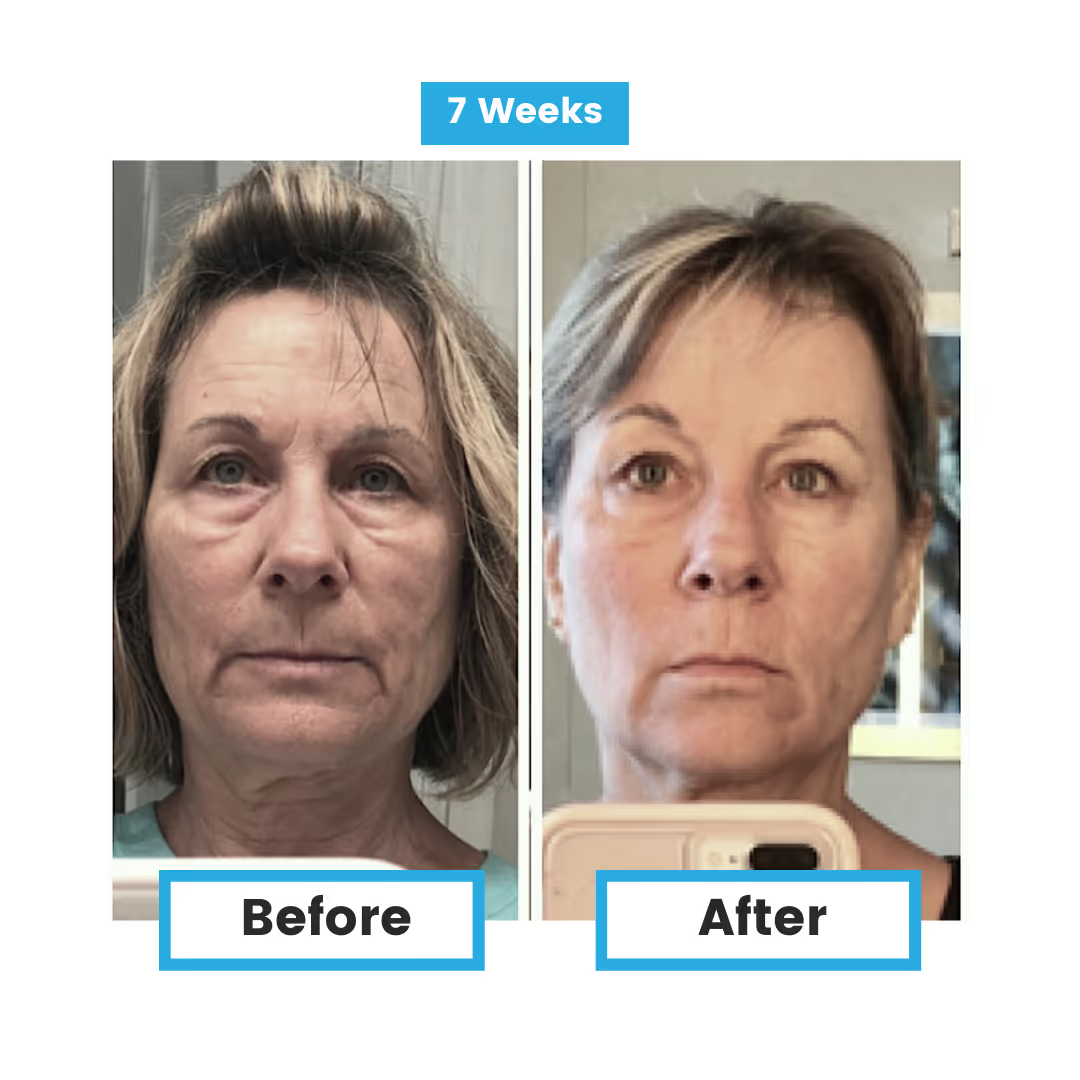
There is one that we have tried that has good evidence for absorption into the blood. We have used it for ourselves and our son, and it seems to have some benefits. It seems to improve our son's mood and calmness, along with skin improvements when used on our faces. Improvements in skin texture are a good indication that a transdermal glutathione enters the body and supports cells.
This transdermal glutathione is Glutaryl. Before purchasing this product, it's worth noting that Glutaryl has a distinct sulphur smell. If this were a concern, either choose their milder product, which is Glutaryl, not Glutaryl+. If this is still a concern, you may consider our currently preferred option, which follows.
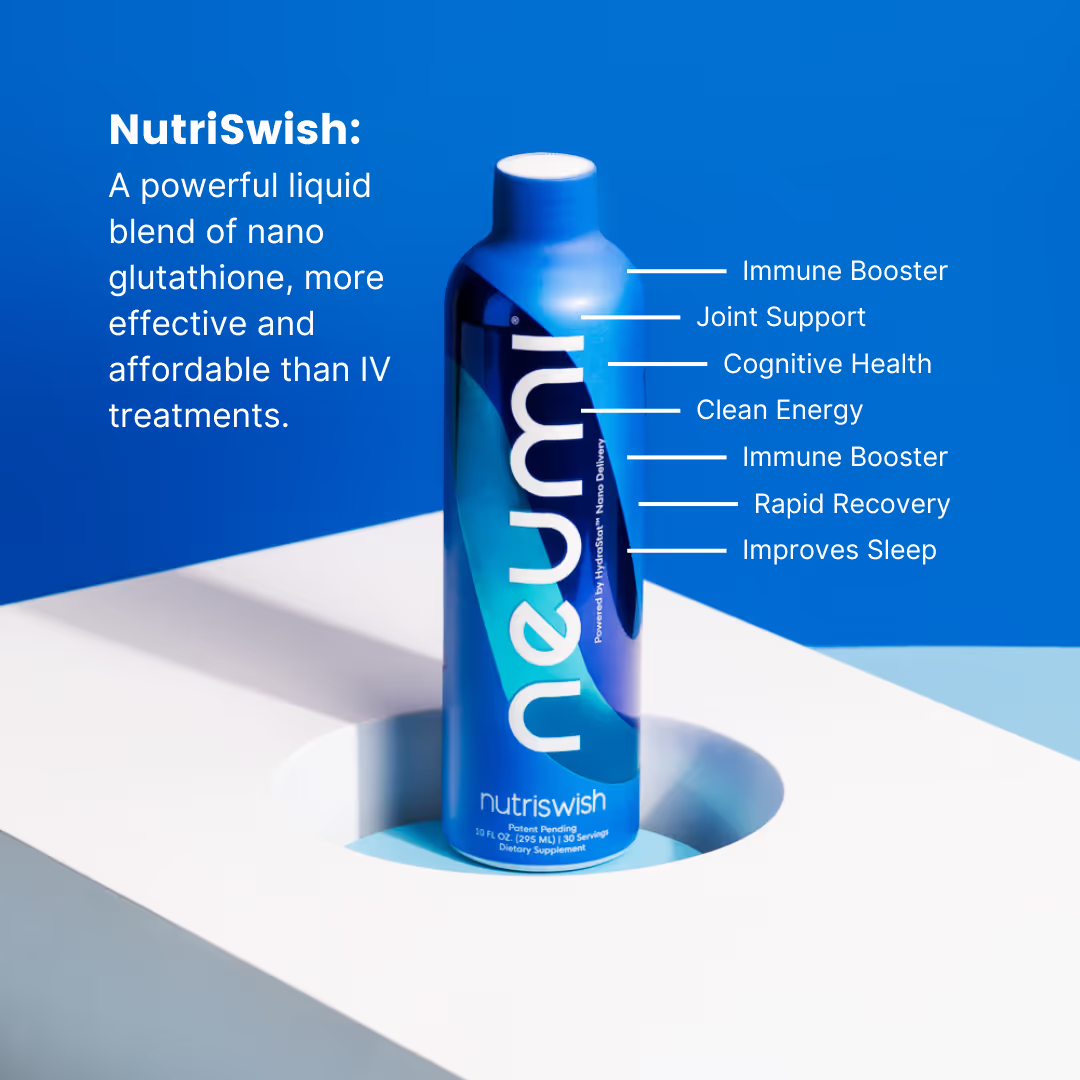
Neumi NutriSwish with HydraStat™ Technology: A Different Delivery Approach
If standard oral capsules get destroyed in the stomach and bulky liposomes frequently get trapped in cellular recycling compartments, how do you get glutathione where it is actually needed?
Neumi Nutriswish is what we currently use to raise glutathione levels. This is partly due to the ease of use, and partly due to the evidence that glutathione enters the cells and affects the redox balance in cells based on one key study by Eurofins.
We are confident that this product increases cellular glutathione levels based on skin improvements and exercise performance during resistance training.
This is the exact delivery challenge that Neumi NutriSwish was formulated to solve. Instead of wrapping glutathione in large fat droplets designed to survive the digestive tract, NutriSwish uses HydraStat™ nanotechnology—a process that shrinks active ingredients into ultra-fine, water-soluble particles (typically 10 to 100 nanometers in size) encapsulated inside purified water clusters.
Rather than swallowing a pill and hoping it survives stomach acid, you swish the liquid in your mouth for 30 seconds before swallowing. The goal is rapid absorption directly through the soft mucosal tissues of the mouth, bypassing the harsh digestive breakdown that defeats conventional glutathione supplements. Alongside reduced glutathione, the formula pairs synergistic cofactors, including L-cysteine (the rate-limiting amino acid for natural glutathione production), vitamin C (calcium ascorbate), and curcumin, to support both immediate antioxidant defence and ongoing cellular synthesis.
What Independent Lab Testing (Eurofins Study) Shows
To evaluate how quickly this formulation interacts with human cells compared to other glutathione forms, Neumi commissioned third-party in vitro testing through Eurofins Discovery Biotherapeutic Services (Study No. US034-0028832).
In the study, researchers exposed human cells (HEK293) for brief 5- and 10-minute intervals to approximately matched concentrations of three different forms:
NutriSwish Extra Strength (tested under the laboratory designation Swish30, 64 µM)
Standard Reduced L-Glutathione (L-GSH) (63 µM)
Glutathione Ethyl Ester (GSH-EE) (63 µM)—a chemically modified, fat-soluble form traditionally used in research to improve cell penetration
Researchers tested both normal baseline cells and cells that had been chemically depleted of their natural glutathione reserves by roughly 30% (using BSO) to mimic a low-glutathione cellular environment.
Across both time points and both cellular conditions, the NutriSwish formula generated the highest average intracellular antioxidant activity (measured via monochlorobimane fluorescence):
| Glutathione Form Tested | Baseline Cells (5 Min) | Baseline Cells (10 Min) | Glutathione-Depleted Cells (5 Min) | Glutathione-Depleted Cells (10 Min) |
|---|---|---|---|---|
| NutriSwish (HydraStat™) (64 µM) | ~110 µM (p = 0.0194 vs. water) | ~150 µM | ~98 µM (p = 0.0055 vs. water) | ~168 µM (p = 0.0039 vs. water) |
| Glutathione Ethyl Ester (GSH-EE) (63 µM) | ~75 µM | ~27 µM | ~24 µM | ~37 µM |
| Standard L-Glutathione (L-GSH) (63 µM) | ~56 µM | ~41 µM | ~30 µM | ~26 µM |
Note: Values represent approximate digitized means of estimated intracellular GSH-associated assay activity from the Eurofins Discovery report.
Putting the Findings in Perspective
For parents and practitioners weighing different glutathione options, two takeaways from the Eurofins data stand out—alongside an important scientific caveat:
Rapid response in depleted cells: In cells with lowered baseline glutathione, the exact cellular state researchers frequently observe in autism, NutriSwish produced statistically significant increases in intracellular activity above control at both 5 minutes and 10 minutes, whereas standard L-GSH and GSH-EE did not show statistically significant gains under those depleted conditions.
Full-formula synergy vs. clinical trials: While third-party cell assays confirm rapid cellular activity in vitro, NutriSwish has not yet been evaluated in peer-reviewed human clinical trials specifically for autism, making it a promising, practical delivery option rather than a clinically proven medical treatment.
You may explore Neumi for yourself here.
Is Glutathione an Autism Detox?
When parents search for glutathione online, it is frequently grouped under the umbrella of "autism detox" protocols. That label creates plenty of confusion and understandable skepticism, so it helps to separate internet marketing from actual human biochemistry.
The short answer is no: glutathione is not a "detox cure" for autism. Autism is a complex neurodevelopmental condition, not a case of poisoning that can be flushed out of the body.
However, glutathione is the human body's primary endogenous detoxification molecule. Understanding that distinction is key to knowing what glutathione can and cannot realistically do.
How Glutathione Actually Supports Cellular Detoxification
Every day, your liver, kidneys, and brain cells use glutathione in Phase II detoxification. Through enzymatic pathways (specifically glutathione S-transferases), active reduced glutathione binds directly to fat-soluble compounds—such as heavy metals, pesticides, environmental pollutants, mold mycotoxins, and normal metabolic byproducts—converting them into water-soluble compounds that the body can safely excrete through bile or urine.
When a child on the autism spectrum has depleted glutathione reserves, their cellular defense and clearance capacity runs below optimal levels. Supporting glutathione status isn't about forcing an aggressive "cleanse"; it is about restoring a normal, built-in biological buffer so cells can handle everyday oxidative and environmental load without becoming overwhelmed.
Why Framing Matters: Biological Support vs. "Detox" Hype
Treating glutathione as a foundational cellular nutrient rather than a "detox" keeps expectations grounded and safe:
It supports cellular resilience, not a "cure": Raising intracellular glutathione helps protect mitochondria, balance redox ratios, and reduce oxidative stress, which may translate to meaningful improvements in areas like irritability, energy, or adaptive functioning in children who are depleted. It does not erase neurodivergence.
Aggressive "detox" protocols carry risks: High-dose chelation agents or harsh "detox" regimens pushed online can strip essential minerals, redistribute metals, or trigger severe behavioral flare-ups. By contrast, gently supporting natural glutathione pathways works with the body's own physiological pacing.
Go slow and monitor tolerance: Even gentle glutathione support can temporarily shift sulfur and methylation pathways, occasionally causing mild restlessness, digestive changes, or irritability if introduced too quickly. Starting low and working alongside a knowledgeable healthcare practitioner helps ensure any approach is tailored to your child's individual needs.
Supporting glutathione levels is therefore about restoring normal cellular resilience and antioxidant capacity, not forcing an aggressive purge. In fact, pushing high-dose detox protocols too aggressively, especially in children with sluggish clearance pathways, can sometimes backfire, stirring up temporary irritability, fatigue, or digestive upset.
A Parent's Plan for Trying It, Tracking It, and Stopping
I should be upfront: I can't tell you which form works, and I won't pretend my family's experience answers that. One child's story, mine included, can't separate a supplement's effect from growth, a new therapy or plain good weeks. What I can offer is a method that has made my own decisions clearer.
Write a baseline first. For two weeks before starting, note sleep, mood, meltdowns, appetite, stomach trouble and any skills you're working on.
Change one thing at a time. If you start glutathione the same week as a new diet or therapy, you'll never know which did what.
Fix the trial window. Pick a length, such as 8 to 12 weeks, and write it down. A glutathione injection trial used 8-week phases, which is a reasonable anchor.
Write the stop rule beforehand. Decide now what counts as no benefit, and what side effects mean stopping immediately.
Tell the clinician. Share your notes with your child's doctor and therapists, because they see your child differently than you do.
Why One Good Week Proves Little in Autism
Autistic children's days swing. Sleep, illness, school changes and even the weather move behavior around, so one good week after starting a supplement is easy to credit to the supplement.
That's why I track patterns over weeks rather than moments. If the notes show a steady change across the window, that's worth discussing with your child's doctor. If they show nothing, stopping isn't failure. It's information, and it saves you money and your child a daily routine they didn't need.
Frequently asked questions
Does glutathione help autism?
Trials and parental experiences using glutathione with children with autism do not show a reversal of autism. However, certain symptoms and measures have improved when glutathione levels have been increased. Just as glutathione supports health in neurotypical people, including athletes, it has not been proven to directly treat any medical condition.
Is liposomal glutathione better than regular oral glutathione for kids?
That hasn't been shown, so there is some uncertainty. Liposomal products are marketed for better absorption, but the supporting studies are limited and often company-funded, and none compares the two forms in autistic children. Your child's taste and swallowing tolerance may matter more in practice.
Do glutathione creams work for autistic children?
The evidence that creams raise glutathione levels is limited, partly because the skin barrier blocks water-soluble molecules like glutathione. There's also a practical issue: many autistic children resist a daily rub-in. A cream only makes sense if delivery is believable and your child tolerates it.
How much glutathione should I give my child with autism?
There's no validated home dose for autism in the research, so any figure on a label or sales page is a manufacturer's choice rather than evidence. The trial's dosing was intravenous and doesn't carry over to capsules or creams. Your child's doctor should assist you with any dosing decision.
Is glutathione a detox for autism?
Autism is a neurodevelopmental condition, not something that can be flushed out of the body. However, glutathione is the body's primary natural detoxification molecule. It binds to everyday environmental toxins and metabolic waste so your liver and kidneys can clear them safely. Supporting glutathione levels in autism is about restoring a depleted cellular defence buffer to reduce oxidative stress and support brain energy, rather than performing an aggressive "cleanse."
What form of glutathione do you use?
We use Neumi Nutriswish due to our positive experience after trying many different forms of glutathione over a 12+ year period. That, coupled with the evidence from Eurofins that glutathione enters cells much more readily than reduced glutathione, makes it our choice.