

When our son was first diagnosed with autism, we sat in countless clinical offices listening to professionals explain what he could not do. The WHO fact sheet on autism spectrum disorders notes that about 1 in 127 people had autism in 2021, so in 2013, when we were having these conversations, the rate may have been lower. Autism certainly didn't seem to be as common as it is today.
The life being described to us by these professionals for our son was bleak. Standard therapies gave a way forward, but they would not change the prediction of the requirement for lifelong support.
What struck me as strange, coming from a background of study in medical biophysics and engineering, was that none of the strategies involved supporting health. They didn't touch the underlying biology or neurology. It was clear that supporting our son's health would need to be driven by us, his parents, not the autism professionals.
It seemed to us that supporting his body and health while we kept up the behavioural work would be wise. Particularly considering that he had gastrointestinal issues and potentially other health concerns, it seemed that his health may be a factor in his symptoms. Since his autism symptoms appeared after he was 2 years old and the symptoms were worsening, this pointed to a different root cause than the traditional autism that appeared from birth. This led us to explore other ways to help our son, at a time when it seemed that no one was taking this approach. But I'm so glad we did.
The content below comes from years of trial, error, and careful observation. It includes learnings from support received from a functional medicine practitioner and naturopaths, along with many hours of reading and listening to perspectives of many experts. You're reading the perspective of a parent who has tested these approaches in real life. Nutritional support is one piece of a broader natural autism support strategy, and it works best when you understand both its potential and its limits.
Why I Turned to Natural Supplements for Autism Symptoms
It was clear that standard autism therapies would not be enough to regain his development. None of the therapies offered aimed at exploring why our son regressed into having such clear and challenging autism symptoms. We turned to exploring ways to improve his health alongside standard therapies. We thought he would have an improved ability to learn from therapies if his health improved.
Moving Beyond Standard Therapies
Behavioural therapy remains essential for skill-building, yet it does not correct methylation deficits, reduce oxidative stress, or improve important aspects of health. Asking my son to learn new coping strategies while his body stayed biochemically overwhelmed felt like teaching someone to swim during a storm. Natural supplements for autism symptoms, along with diet improvements, became the anchor that steadied his physiology so the therapeutic work could actually stick.
What Real-World Impact Looks Like
Real progress showed up as longer stretches of uninterrupted sleep, fewer afternoon meltdowns, and better engagement with the people around him. His debilitating reactions to noises subsided, and he was more comfortable in everyday life. These small shifts added up over months until our family rhythm felt sustainable again. You'll know a supplement is working when your child's baseline regulation improves enough that good days outnumber the hard ones.
Top Autism Vitamin Supplements Based on Parent Experience
The best supplements for a particular person depend on a number of factors. Supplements are available to correct deficiencies and support biological processes that have reduced function. This means that supplements need to be personalised with the support of a good healthcare practitioner, such as a doctor who practices functional medicine.
There are a number of studies on PubMed exploring supplements for children with autism. A 2025 systematic review on vitamin interventions in ASD and ADHD found that vitamin B supplementation was particularly effective in reducing ASD-related symptoms, while vitamin D showed greater benefit in certain groups of people. These foundational autism vitamin supplements address widespread deficiencies that directly affect mood, cognition, and physical comfort.
Below is some guidance to help your discussions with your healthcare professional.
Vitamin D and B Complex: Foundational Support
Vitamin D acts more like a hormone than a traditional vitamin. It influences hundreds of genes involved in brain development and immune function. Most autistic children I've connected with through parent networks test low in this nutrient regardless of sun exposure, and correcting that deficiency often brings noticeable improvements in immune resilience and emotional stability.
Vitamin D is particularly important for immune system support, which is often needed with children on the autism spectrum. It's best to seek help from a doctor who is able to test for vitamin D status.
B vitamins in their active forms drive the methylation pathways that produce neurotransmitters and help detoxify environmental toxins, which makes them hard to skip for neurological support. Considering that many children with autism have altered MTHFR genes, they often benefit from methylated or active forms of B vitamins. Noting that it's particularly important to choose supplements with the active or methylated forms such as
Methyl folate or folinic acid rather than folic acid.
Methyl B12 rather than standard B12.
P5P rather than standard B6.
Magnesium for Calming and Sleep
Magnesium participates in over three hundred enzymatic reactions, including those that quiet an overactive nervous system and regulate muscle tension. Many parents notice their child's physical restlessness easing within days of starting a bioavailable form like magnesium glycinate or threonate. This mineral also supports healthy bowel motility, which matters because constipation plagues so many autistic kids and quietly fuels irritability.
As a general rule, the form of magnesium should end with 'ate'. So magnesium glycinate is a standard and widely used form, with magnesium threonate being more effective for things involving the brain, such as sleep. Stay away from cheap forms such as magnesium oxide.
Essential Fatty Acids for Cognitive Function
Omega-3 fatty acids are the most well-known essential fatty acids. They build cell membranes and reduce the neuroinflammation that can cloud focus and amplify sensory sensitivity. Some research suggests adequate EPA and DHA intake supports attention and social responsiveness by improving how neurons communicate across brain regions.
Be careful when choosing fish oil supplements, as quality matters. Fish oils are easily oxidised, so it's important to buy a form that is tested for quality. As a general rule, krill oil is a good choice.
Beyond standard fish oil, it's worth looking at C15 fatty acid benefits for neurodevelopment, which newer research flags as additional membrane support for cognitive health.
Biomedical Supplements for Kids with Autism Worth Considering
Once foundational nutrition is stable, targeted biomedical interventions can address deeper metabolic or immune imbalances that basic vitamins alone may not resolve. These compounds need closer observation because they interact directly with cellular processes that vary a lot between individual children. A 2022 review of potential natural products for autism management found that autistic children who took a luteolin dietary supplement regularly showed better social bonding and behavior in clinical observation, which suggests specific botanicals might help calm neuroinflammation.
Glutathione and Cellular Health
Glutathione is the body's master antioxidant. It neutralises free radicals and supports liver detoxification pathways that many autistic children struggle to activate. Low levels correlate with increased oxidative stress and mitochondrial dysfunction, both frequently seen in biomedical testing.
Glutathione is one of the nutrients that is essential for life. In fact, life wouldn't exist without it. It acts on every cell in the body and supports many important aspects of health. It's one of those supplements with a high bang for your buck, as it helps to support and get more benefit from your other interventions.
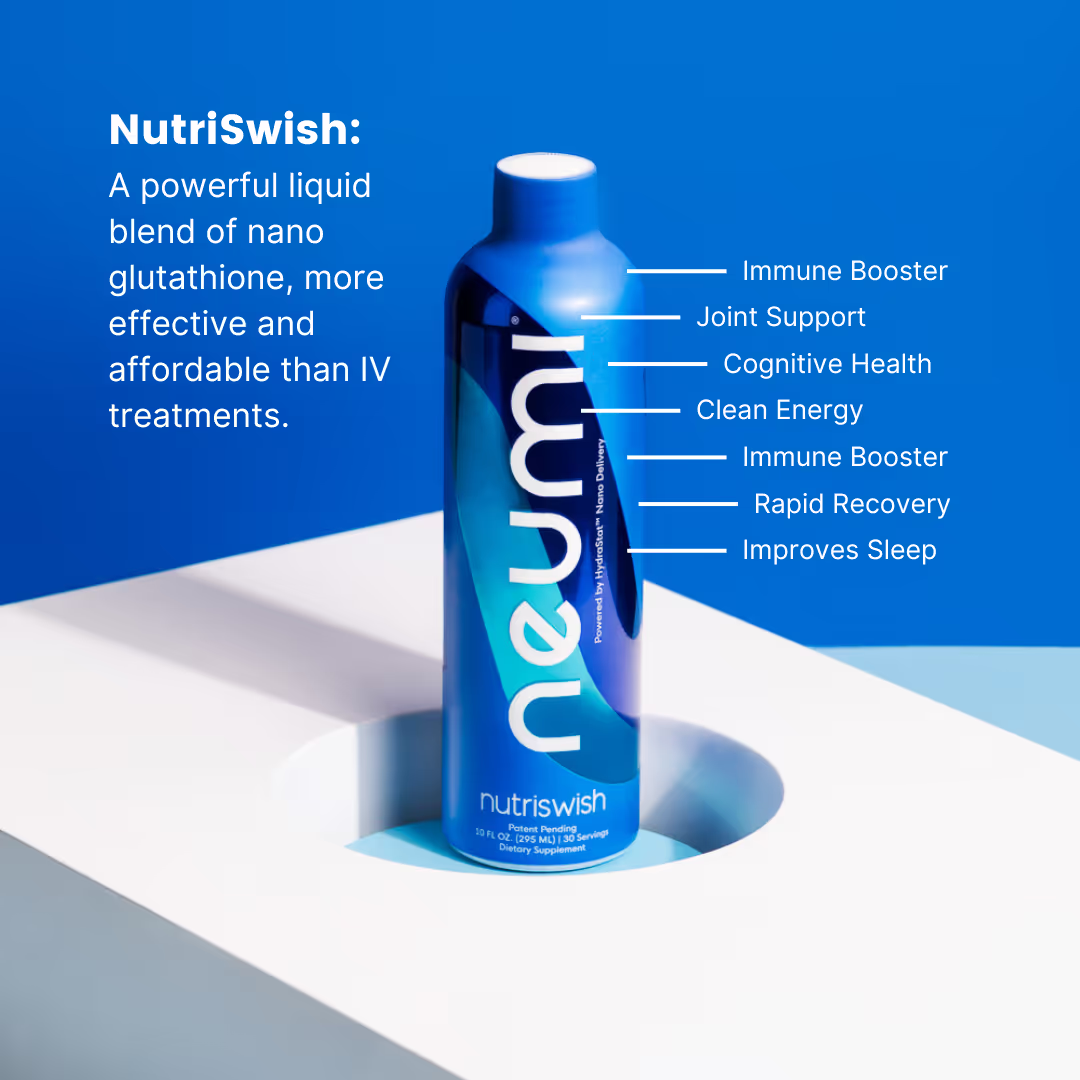
The problem is that standard glutathione supplements have low efficacy due to breakdown in the gut. We had a harder time raising our son's glutathione levels. Despite our doctor identifying his need for glutathione through testing, we had trouble raising his levels due to there being no good options when we started. Thankfully, there are now great options. I have a great blog post going into this in more detail. If you would like to read more, I have the following post, which is an easy read and worth your time - glutathione supplements for cellular support
Zinc and Immune Regulation
Zinc shapes immune response and supports gut barrier integrity, two areas where autistic children commonly show dysregulation. Deficiency often shows up as picky eating, frequent infections, or white spots on fingernails rather than obvious illness. Supplementing zinc alongside copper monitoring helped stabilise my son's immune reactivity without triggering the agitation that sometimes comes with isolated mineral protocols.
How to Safely Introduce Autism Nutrition and Supplements
Rushing into multiple supplements at once makes it impossible to tell what's helping and what's causing a reaction. According to Autism Speaks' report on supplement risks, supplements for kids with autism may lead to nutrient imbalances involving vitamins D, E, calcium, potassium and choline when nobody is monitoring them carefully. That's why patience matters more than enthusiasm. Your child's safety depends on a methodical introduction, not hopeful experimentation.
Starting Low and Going Slow
Begin each new supplement at a fraction of the recommended dose and increase gradually over several weeks, giving the body time to adjust. This cautious approach reveals tolerance thresholds and avoids overwhelming systems that already process information differently. If you see regression or new symptoms, pause immediately and reassess before continuing.
Tracking Changes Without Overwhelm
Keep a simple daily log noting sleep quality, bowel movements, mood patterns, and any unusual behaviours alongside supplement timing. You don't need elaborate spreadsheets to spot trends; consistent brief notes reveal connections that memory alone will miss. Review this record weekly to tell genuine progress from normal variation before deciding whether to continue, adjust, or stop.
Common Myths About Healing Autism Naturally
Mainstream narratives often dismiss nutritional approaches entirely, while some alternative communities promise cures that no honest practitioner would guarantee. Neither extreme serves families navigating complex neurodevelopmental differences with limited time and resources. Evidence-led curiosity means staying open to possibilities while demanding observable proof, not accepting claims based on tradition or marketing alone.
Individual response varies too widely for blanket protocols to work for everyone. What transformed one child's sleep might trigger agitation in another, because of genetic differences or gut microbiome makeup. Trust your direct observations over any expert opinion that contradicts what you see happening in your own home.
Building Your Child's Unique Supplement Stack
Every autistic child presents a distinct mix of strengths and challenges that no standardised protocol can fully address. Your stack should reflect your child's current priorities, not someone else's success story. Review our curated autism supplement recommendations to find vetted options that line up with the principles discussed here.
Prioritising by Symptom and Goal
Start with whichever issue most disrupts your child's daily functioning or your family's wellbeing right now. Sleep disturbances typically warrant magnesium or melatonin before you tackle focus concerns with omega-3s or B vitamins. Addressing acute dysregulation creates the stability that longer-term developmental support needs to take root.
When to Reassess and Adjust
Schedule monthly check-ins to ask whether each supplement still serves its purpose or has become redundant. Bodies change as children grow, and what worked last year may no longer match current biochemical needs. Staying flexible keeps your approach responsive to evolving physiology instead of stuck on autopilot.
For parents wanting to go deeper than this overview, our in-depth guide to healing children with autism naturally covers the same ground with more context, rooted in lived experience.
Partnering with Professionals While Staying Parent-Led
Knowledgeable practitioners bring real expertise in lab interpretation and compound interactions that most parents lack. Yet you remain the primary observer of your child's subtle responses and daily rhythms. The most effective partnerships honour clinical knowledge while treating parental insight as equally valid data.
Bring specific questions and documented observations to appointments rather than vague concerns. This preparation helps practitioners tailor recommendations to your child's actual presentation instead of a generic protocol. You deserve providers who listen and adjust their guidance based on what you report happening at home.
Natural Autism Support exists to complement professional care, not replace it. Use these resources to inform conversations with your team and advocate confidently for approaches that fit your family's values and your child's unique biology.
Frequently Asked Questions
Which autism vitamin supplements show the most consistent real-world benefits?
Vitamin D, B complex, magnesium, and omega-3 fatty acids consistently rank highest in parent reports for improving sleep, regulation, and focus. These foundational nutrients address widespread deficiencies that directly impact neurological function and daily comfort. Individual responses vary, so track changes carefully to confirm benefit for your specific child.
How do I safely introduce natural supplements without causing nutrient imbalances?
Start each supplement at a fraction of the recommended dose and increase gradually over several weeks while keeping a simple daily log. Introduce only one new compound at a time so you can clearly identify what helps versus what causes adverse reactions. Pause immediately if regression or new symptoms appear, and consult a knowledgeable practitioner before combining multiple interventions.
What role do biomedical supplements play beyond basic vitamins?
Biomedical supplements like glutathione and zinc target underlying metabolic or immune imbalances that foundational vitamins alone may not resolve. They address cellular-level issues such as oxidative stress, methylation deficits, and gut barrier dysfunction common in autistic children. These compounds require more careful monitoring and often benefit from practitioner guidance due to their potent physiological effects.
What should I track when evaluating whether a supplement is helping?
Monitor sleep quality, bowel regularity, mood stability, sensory tolerance, and any unusual behaviours alongside supplement timing using brief daily notes. Review this record weekly to distinguish genuine trends from normal variation before making decisions about continuation or adjustment. Consistent documentation reveals connections that memory alone will miss and prevents costly guesswork.